Connect this guide with the rest of your visit in the Tallinn trip planner. Read how the research is made and what its sources establish.
At a glance
Start here
- Miiamilla is built around children's social, emotional, and imaginative worlds.
- PROTO and the Seaplane Harbour suit families drawn to mechanisms, movement, and large objects.
- Tallinn Zoo and the Estonian Open Air Museum need selective outdoor routes, not completionist plans.
- Check the venue's own current visitor and accessibility information before the family commits.
01
Match the anchor to attention, not just age
Miiamilla builds its permanent exhibition around play and the ways children experience inner life, the outside world, imagination, and togetherness. PROTO approaches nineteenth-century inventions through virtual reality and hands-on devices. The Seaplane Harbour uses full-size maritime objects and simulations. These are three different forms of participation, even when their age ranges overlap.
For an outdoor day, the zoo offers several distinct animal areas, while the Open Air Museum spreads farm buildings and family activities through a larger landscape. Ask whether the child wants a story world, a machine, an animal, or freedom to move. That answer is more useful than choosing the attraction that appears on the most family lists.
Sources: Tallinn City Museum; PROTO Invention Factory; Estonian Maritime Museum; Tallinn Zoo; Estonian Open Air Museum02
Choose Miiamilla for child-led play
The Children's Museum Miiamilla opened its Children’s Worlds permanent exhibition in January 2024. Its stated design reverses the usual hierarchy: the child leads and the adult follows. The rooms use hands-on and minds-on play to explore emotions, social skills, environmental awareness, creativity, and the child's relationship with other people.
That makes Miiamilla a sensible anchor for younger children or families who want play with a coherent theme rather than a large collection. The exhibition moves through inner worlds, outer worlds, imagination, and unity. Adults can help by asking what the child noticed instead of steering every object toward a lesson.
Sources: Tallinn City Museum03
Use PROTO for inventions and controlled experimentation
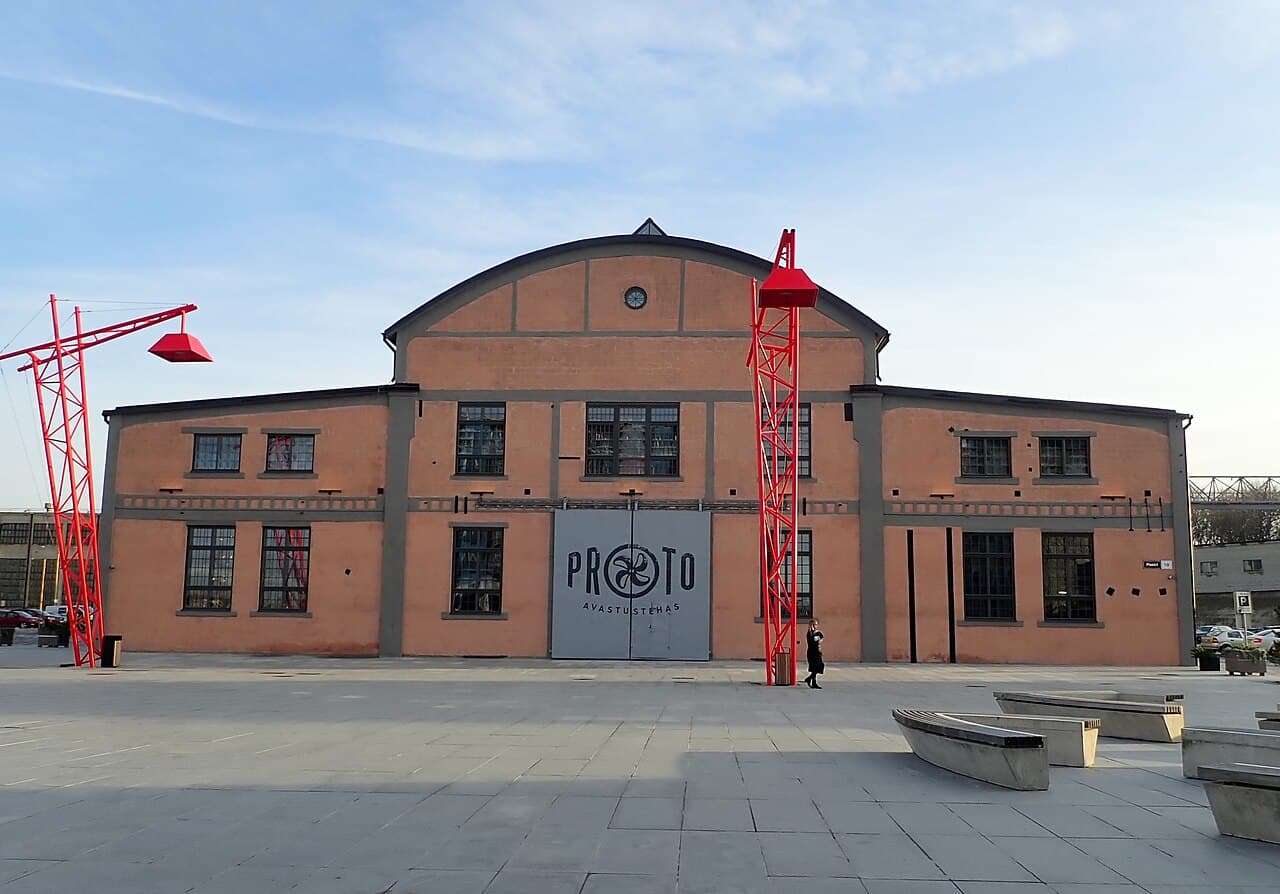
PROTO occupies a historic industrial setting in Noblessner and presents imagined and real nineteenth-century inventions through virtual reality and physical exhibits. Its activities include devices based on motion, air, mirrors, and mechanical ideas. A separate construction area is intended for very young visitors, which helps families divide attention without pretending one activity fits everyone.
Virtual reality can be exciting for some children and uncomfortable or simply uninteresting for others. Treat it as one medium, not the entire reason to go. Scan the current activity information before the visit, identify two or three experiments that match the child, and leave room to repeat a successful one rather than racing between stations.
Sources: PROTO Invention Factory04
Prepare for the scale and sensory load of the hangars
The Seaplane Harbour's permanent display is arranged across underwater, surface, and air levels. Families can encounter the submarine Lembit, aircraft, boats, a wreck, and interactive elements, while a children's area sits at floor level. The museum's own accessibility information also warns that parts of the submarine and some routes have physical limitations.
The hangar is dim in places and can carry sound, so a child who loves ships may still need a quiet pause. Study the institution's current accessibility page for pram, wheelchair, hearing, or sensory needs rather than relying on a general family label. A focused mission—find one vessel and trace how people lived or worked inside it—gives the scale a purpose.
Sources: Estonian Maritime Museum05
Treat Tallinn Zoo as a set of zones
Tallinn Zoo's current visitor material divides the grounds into recognizable areas, including the Polarium, the Pachyderm House, tropical houses, and a children's zoo. The official map and animal information are more useful for a family plan than a vague aim to see everything. Choose a limited cluster and accept that animal visibility varies.
Outdoor distance, weather, and the child's energy matter as much as the collection. Put the highest-priority animal area first, identify a sheltered fallback, and set a clear point at which the day can end successfully. Feeding information can add structure, but it is operational detail and should be confirmed on the zoo's current page on the day.
Sources: Tallinn Zoo06
Use the Open Air Museum for space and farm life
The Estonian Open Air Museum places historic rural buildings and farm environments across an outdoor site rather than inside a conventional gallery sequence. Its family material includes the Shepherd's Adventure Trail, an audio-guide game, and the permanent activity exhibition Every Little Step Counts, which introduces farm life through play and practical choices.
This works best as a landscape with selected stops. Decide whether the family is following buildings, animals, a trail, or one household story. Footwear and weather will shape the experience, and seasonal operations can change what is available. Check the museum's live visitor information instead of assuming every activity listed in a broad overview runs continuously.
Sources: Estonian Open Air Museum07
Build the day around one success
An indoor anchor such as Miiamilla, PROTO, or the Seaplane Harbour can carry the day by itself. Add a simple nearby reset—a meal, a park pause, or a short waterfront look—without turning it into another attraction that must be completed. Zoo and Open Air Museum days already contain substantial movement, so a second ticketed venue rarely improves them.
Make the fallback different from the main plan. If virtual reality loses its appeal, switch to physical experiments rather than another screen. If a long outdoor route fails, choose one indoor area instead of bargaining for more distance. The goal is not maximum coverage; it is a day in which curiosity survives the timetable.
Sources: Tallinn City Museum; PROTO Invention Factory; Estonian Maritime Museum; Tallinn Zoo; Estonian Open Air MuseumUseful answers
Reader questions
Which Tallinn attraction is most clearly designed around younger children?
Miiamilla is the most explicitly child-led choice in this group. Its permanent exhibition uses play to explore emotions, relationships, imagination, and the environment. PROTO also identifies a separate construction area for very young visitors, but its wider invention and virtual-reality concept serves a different kind of attention.
Sources: Tallinn City Museum; PROTO Invention FactoryWhat is a good rainy-day family choice in Tallinn?
PROTO and the Seaplane Harbour are substantial indoor anchors, and Miiamilla is another option for child-led play. Choose by activity rather than weather alone: inventions and virtual reality at PROTO, maritime objects and a submarine at the Seaplane Harbour, or imaginative and social play at Miiamilla.
Sources: PROTO Invention Factory; Estonian Maritime Museum; Tallinn City MuseumShould a family try to cover all of Tallinn Zoo?
Not by default. The zoo's own material shows several distinct zones and visitor tools, which makes a selective route practical. Pick the animal area that matters most, use the current map, and keep a sheltered alternative. This approach accommodates changing weather, energy, and animal visibility.
Sources: Tallinn ZooHow should I check stroller or mobility access?
Use the exact venue's current accessibility page shortly before visiting. The Seaplane Harbour, for example, documents where prams and wheelchairs can travel and where historic vessels impose limits. Large outdoor sites also need route and surface checks. Do not extend one venue's access information to Tallinn attractions generally.
Sources: Estonian Maritime Museum; Tallinn Zoo; Estonian Open Air MuseumRead the evidence
Sources and further reading
These sources support the relevant sections above. Plans and comparisons are editorial suggestions. Check operators for current arrangements.
- Exposition ↗Tallinn City Museum · Research date 14 September 2026
The Children’s Worlds exhibition, its 2024 opening, child-led design, themes, and play methods.
- PROTO Invention Factory ↗PROTO Invention Factory · Research date 14 September 2026
The invention theme, virtual-reality and hands-on exhibits, industrial setting, and young-child construction area.
- Accessibility ↗Estonian Maritime Museum · Research date 14 September 2026
Exhibition levels, children's area, sensory setting, and specific pram, wheelchair, and vessel limitations.
- Tallinn Zoo ↗Tallinn Zoo · Research date 14 September 2026
Current zoo zones, map, animal areas, visitor tools, and feeding-information availability.
- Estonian Open Air Museum ↗Estonian Open Air Museum · Research date 14 September 2026
The outdoor farm setting, Shepherd's Adventure Trail, audio game, and permanent family activity exhibition.